
360° Billing Support for Hearing Tests & Audiology Procedures
Audiology Billing and Coding Services
Every denied audiometry or tympanometry claim means revenue your audiology practice could be collecting. Health Med Affairs handles audiology coding, insurance verification, claim submission, and denial management for independent audiologists and multi-location hearing clinics. Get fewer billing headaches, stronger collections, and a healthier revenue cycle.


Audiology Coding

Insurance Verification

Claim Submission

Denial Management
The Hidden Billing Challenges Costing Audiologists Thousands
Even minor coding mistakes can cost audiologists, hearing care providers, and ENT practices thousands in delayed or lost reimbursements. Complex payer policies, medical necessity requirements, and incorrect use of CPT codes 92557, 92567, 92588, and 92625 often trigger claim denials, underpayments, and costly rework. Without specialized audiology billing services, these recurring issues can disrupt cash flow and increase administrative burdens.
92557
92567
92588
92625
From pure-tone audiometry and speech testing to tympanometry and otoacoustic emissions, every procedure requires accurate coding, supporting documentation, and payer-specific compliance. Unverified patient benefits, missing modifiers, and overlooked authorization requirements can turn billable services into unpaid claims. Over time, these setbacks reduce collections, overwhelm your staff, and limit your practice’s growth potential.


Get Every Hearing Test Claim on the Right Track to Reimbursement
Health Med Affairs turns complex audiology billing challenges into a streamlined, revenue-focused process. Our specialized audiology billing services cover accurate CPT coding, insurance eligibility verification, clean claim submission, denial management, and aggressive A/R follow-up for audiologists, hearing clinics, and ENT practices. We help you minimize preventable denials, recover outstanding payments, and improve reimbursement efficiency so your team can focus on delivering exceptional hearing care.
Your Audiology Revenue Deserves More Than Basic Billing
Health Med Affairs delivers end-to-end audiology billing and coding services designed to eliminate revenue gaps, reduce claim denials, and accelerate reimbursements. From hearing evaluations to advanced diagnostic procedures, every billing step is optimized for accuracy, compliance, and stronger collections.


Insurance Eligibility & Benefits Verification
Verify patient coverage, hearing test benefits, payer restrictions, and authorization requirements before appointments to prevent avoidable claim denials.


Accurate Audiology CPT Coding
Apply appropriate CPT codes for pure-tone audiometry, speech audiometry, tympanometry, and otoacoustic emissions with precise documentation and payer-specific coding guidelines.


Specialty-Focused Charge Capture
Capture billable hearing evaluations, diagnostic tests, and audiology procedures accurately to minimize missed charges and protect earned practice revenue.


Clean Claim Preparation & Submission
Validate patient information, diagnosis codes, modifiers, and medical necessity documentation before submitting claims for timely insurance processing.


Proactive Claim Denial Management
Identify denial patterns, correct coding discrepancies, resolve authorization issues, and submit timely appeals to recover eligible unpaid audiology claims.


Payment Posting & Reconciliation
Match insurance payments, patient balances, and contractual adjustments against billed charges to uncover underpayments and maintain accurate financial records.


Aggressive A/R Follow-Up & Recovery
Track aging audiology claims, investigate delayed reimbursements, and pursue outstanding insurance balances before filing deadlines threaten collections.


Revenue Cycle Reporting & Optimization
Monitor denial rates, reimbursement trends, collection performance, and aging accounts to identify revenue leaks and improve audiology practice profitability.

Stop Losing Revenue on Denied Audiology Claims!
Every Hearing Test Deserves Accurate Coding & Reimbursement
From routine hearing evaluations to advanced auditory diagnostics, every procedure has unique coding, documentation, and reimbursement requirements. Health Med Affairs provides specialty-focused audiology billing services that help hearing care providers capture eligible revenue across their diagnostic services.
Audiology Procedures Covered:
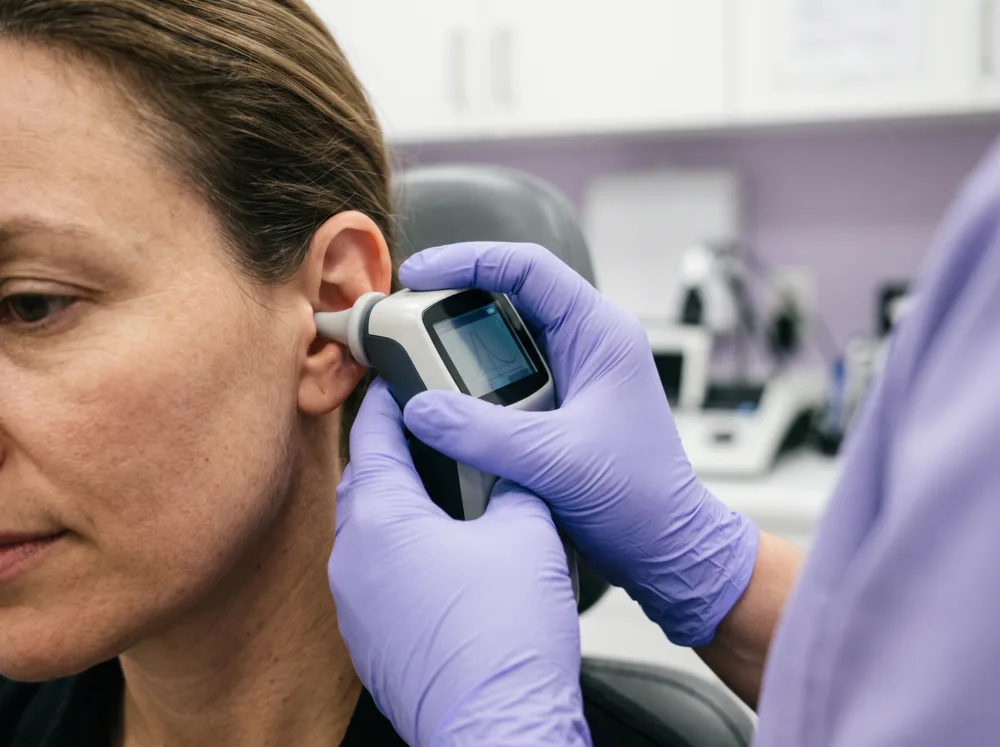
Pure-Tone Audiometry
Accurate coding for air and bone conduction testing, including applicable threshold assessments.
Speech Audiometry
Proper billing for speech recognition and speech reception threshold evaluations.
Tympanometry
Precise coding for middle ear function assessments and impedance testing.
Otoacoustic Emissions (OAE)
Documentation-driven claims for cochlear function testing and diagnostic OAE procedures.
Auditory Brainstem Response (ABR)
Specialized coding support for electrophysiological hearing evaluations.
Vestibular & Balance Testing
Appropriate billing for VNG, caloric testing, and other covered vestibular assessments.
Get Your Audiology CPT Codes Right Before They Cost You
One incorrect CPT code can trigger a denial, reduce reimbursement, or delay payment for an otherwise eligible hearing test. Health Med Affairs helps audiology practices navigate procedure-specific coding requirements, supporting documentation, and payer billing policies to keep claims accurate from the start.
Medicare also lets audiologists bill certain diagnostic hearing tests without a physician order, using the AB modifier, once every 12 months per patient for non-acute hearing conditions. Tests for fitting or changing hearing aids are not covered by Medicare, so we check coverage before the claim goes out.
CPT Code
Audiology Procedure
Key Billing Consideration
92557
Comprehensive audiometry threshold evaluation and speech recognition
Verify that documentation supports the combined testing service.
92567
Tympanometry
Confirm medical necessity and correct diagnosis coding.
92588
Comprehensive diagnostic otoacoustic emissions
Ensure the performed test meets the code’s technical requirements.
92540
Basic vestibular evaluation
Confirm all required components were performed and documented.
92601
Cochlear implant diagnostic analysis and programming, younger than 7 years
Verify age, service details, and payer requirements.

The Health Med Affairs advantage: Code-level review helps prevent mismatched procedures, unsupported charges, and missed reimbursement opportunities before claims reach the payer.
Don't Let Hearing Aid Billing Complexities Eat Into Your Profits
Hearing aid reimbursement involves more than submitting a device claim. Between insurance benefit limitations, fitting services, device-specific HCPCS codes, and patient payment responsibilities, even experienced hearing clinics can struggle to manage the financial side of hearing care.
Hearing Aid Evaluations & Selection
Support accurate reporting of candidacy assessments, device selection services, and associated professional charges under applicable payer rules.
Fitting, Verification & Adjustments
Manage coding for hearing aid fitting, verification, programming, and follow-up services where separately reportable and covered.
Insurance Benefits & HCPCS V Codes
Match hearing aid devices and related services with appropriate codes, benefit limits, and authorization requirements.
Private-Pay & Patient Balances
Maintain clear financial records for noncovered devices, patient-paid services, bundled packages, and outstanding balances.
Turn hearing aid billing into a more predictable revenue process with Health Med Affairs' specialized billing support.
Medicare, Medicaid & Private Payers: Know What Gets Covered
Not every hearing-related service qualifies for the same insurance benefits. Health Med Affairs helps audiology providers navigate payer-specific coverage rules, medical necessity requirements, and reimbursement restrictions to reduce preventable billing setbacks.
1. Medicare Part B
Diagnostic services
2. Medicare Advantage
Plan-dependent
3. Medicaid
State-specific
4. Commercial Insurance
Policy-specific
Better coverage verification means fewer reimbursement surprises. Get payer-aware audiology billing support that helps protect both practice revenue and patient financial transparency.
From Cochlear Implant Programming to Payment, Get Every Detail Right
Cochlear implant services involve specialized clinical procedures that demand equally specialized billing attention. Incorrect age-based coding, incomplete programming records, and payer-specific restrictions can complicate reimbursement for implant-related care.
A focused approach to cochlear implant billing:
Identify the Correct Programming Service
Distinguish initial and subsequent cochlear implant programming, including applicable age-specific CPT codes such as 92601–92604.
Match Documentation to the Procedure
Review programming records, patient age, implant details, and clinical documentation supporting the reported service.
Validate Payer Coverage Requirements
Check applicable benefit rules, provider qualifications, authorization requirements, and billing limitations before submission.
Protect Eligible Reimbursement
Resolve implant-related coding discrepancies, investigate payer underpayments, and pursue valid outstanding claims.

Health Med Affairs brings procedure-focused billing support to audiology practices delivering advanced cochlear implant care, helping turn complex clinical services into accurately documented, reimbursement-ready claims.
Specialized Billing for Little Ears and Complex Pediatric Claims
Pediatric audiology requires careful attention to patient age, developmental testing methods, medical necessity, and insurance coverage. From newborn hearing screenings to advanced diagnostic assessments, Health Med Affairs supports accurate billing for the specialized hearing services young patients need.
Newborn Hearing Screenings
Distinguish routine screening services from medically necessary diagnostic testing while applying the appropriate codes and payer rules.
Pediatric ABR Testing
Support age-appropriate auditory brainstem response coding with documentation of the testing performed and applicable coverage requirements.
Otoacoustic Emissions Testing
Address screening versus diagnostic OAE coding differences to help prevent unsupported or incorrectly classified claims.
Early Intervention & Follow-Up Evaluations
Review documentation and payer policies for repeat hearing assessments, developmental monitoring, and medically necessary follow-up services.
“Because pediatric hearing care deserves financial accuracy, too.”
Specialized billing helps pediatric audiologists, children’s hearing clinics, and hospital-affiliated programs spend less time resolving preventable claims issues and more time supporting early hearing detection and intervention.

Get Your Audiologists Credentialed, Contracted & Ready to Bill
Even accurately coded hearing test claims can face reimbursement problems when provider enrollment, payer participation, or credentialing information is incomplete. Health Med Affairs can support a smoother path to payer readiness through coordinated audiology credentialing and enrollment services.
Credentialing Support
Practice Benefit
NPI & Provider Information
Maintain accurate provider identifiers and enrollment details.
CAQH Profile Management
Keep professional credentials and payer-facing information updated.
Medicare Enrollment
Support applicable enrollment requirements for audiologists and practice entities.
Commercial Payer Enrollment
Coordinate payer applications and participation documentation.
Recredentialing & Updates
Track renewals and provider changes to help prevent participation disruptions.
Ready to expand your payer network? Build a stronger administrative foundation for billing eligible audiology services with Health Med Affairs.
One Specialty, Different Practices: Billing Built Around Yours
No two hearing care practices operate exactly alike. A solo audiologist performing diagnostic evaluations has different billing needs from a multi-location hearing center or an ENT practice offering advanced vestibular testing. Health Med Affairs tailors audiology revenue cycle support to your practice’s services, provider structure, and payer mix.

Independent Audiology Practices
Billing support for routine hearing evaluations, diagnostic testing, and individual provider reimbursement workflows.

ENT & Otolaryngology Clinics
Coordinated billing for audiology services performed alongside physician-led ear, nose, and throat care.

Hearing Aid Dispensing Centers
Financial workflows for device charges, professional fitting services, insurance benefits, and private-pay patients.

Pediatric Hearing Clinics
Age-specific billing support for hearing screenings, diagnostic assessments, and pediatric audiology services.

Multi-Location Audiology Groups
Consistent billing workflows, provider-level reporting, and coordinated revenue management across practice locations.
Why Choose Health Med Affairs for Audiology Billing?
Your hearing care practice needs more than a company that submits insurance claims. It needs a billing partner that understands the differences between diagnostic hearing evaluations, hearing aid services, implant programming, and payer-specific reimbursement requirements.
Audiology-Focused Expertise
Specialty-aware coding support for hearing evaluations, diagnostic procedures, and hearing-related services.
Compliance-Minded Billing
Careful attention to coding guidelines, documentation, and applicable insurance requirements.
Revenue-Focused Decisions
Identify preventable payment delays, reimbursement discrepancies, and opportunities to strengthen collections.
Practice-Specific Support
Billing workflows aligned with your providers, hearing care services, and practice structure.
Choose Health Med Affairs to bring greater accuracy, clarity, and financial control to your audiology revenue cycle.
Related Resources
Explore our guides on this topic:
- What Methods Can Be Used to Verify Patient Eligibility? A Practical Guide
- Electronic Prior Authorization Under CMS Rules: How It Works
- What Are Medical Necessity Denials and How Can You Fix Them?
- The Hidden Costs of Medical Coding Errors and How to Avoid Them
- CO-50 Denial Code: Reasons, Solutions, and Appeal Process
Ready to Hear the Difference Better Audiology Billing Can Make?
Every unpaid hearing test claim, coding discrepancy, and delayed reimbursement can hold your practice back. Partner with Health Med Affairs to simplify complex audiology billing, protect eligible revenue, and give your team more time for patient care.
Schedule a Consultation